Emergency kit for the car – what should you keep in the car in winter?
A small emergency kit in the car makes a big difference if you are left stranded in the cold, get stuck in the snow or the road is closed. It does not have to be much – but the right things in the right place.
By Nordic Ready Guide · Published
Checklist: emergency kit for the car
Warmth
- Blanket or sleeping bag
- Hat, gloves and a pair of spare socks
Light and communication
- Torch or head torch with spare batteries
- Charged power bank and charging cable for your phone
Safety
- Warning triangle
- High-visibility vest
- First aid kit
- Wildlife accident marker tape to mark the scene of an accident
Getting unstuck
- Snow shovel
- Ice scraper and snow brush
- Jump leads
- Tow rope
Food and drink
- Water
- Something high-energy that copes with the cold, such as nuts or muesli bars
Pack everything in a box or bag that fits in the boot, so that it is always with you.
Before you set off
- Check the weather forecast and traffic information.
- Ideally keep at least half a tank, or charge your electric car fully before longer journeys.
- Charge your phone and tell someone where you are going if you are driving a long way in bad weather.
If you get stuck in the snow
- Stay in the car if it is safe to do so. A car is easier to find than a person.
- Keep the exhaust pipe clear of snow if the engine is running, and let in fresh air now and then.
- Use blankets and clothes to stay warm, and save your phone's battery.
- Call 112 if there is a danger to life or health.
Winter tyres – the rules
According to Transportstyrelsen (the Swedish Transport Agency), cars must have winter tyres or equivalent equipment from 1 December to 31 March when there are winter road conditions. Winter road conditions means there is snow, ice, slush or frost on any part of the road. The minimum tread depth is 3 mm during this period. Studded tyres are permitted from 1 October to 15 April, and also outside this period if there are, or are expected to be, winter road conditions.
If you hit a wild animal
- Warn other road users – put out the warning triangle.
- Mark the spot where the animal disappeared with wildlife accident marker tape, so that tracking hunters can find the right place.
- Call 112 and say where the accident happened, what animal it was and which direction it ran.
By law, collisions with animals including elk (moose), roe deer, wild boar, red deer, fallow deer, bear, wolf, lynx and wolverine must be reported to the police, even if the animal does not appear to be injured.
Frequently asked questions
What is the most important thing to have in the car in winter? Warmth (a blanket, warm clothes), light, a charged phone, a snow shovel and an ice scraper.
Do you have to have winter tyres? Yes, from 1 December to 31 March when there are winter road conditions, according to Transportstyrelsen.
What should you do if you hit a roe deer? Put out the warning triangle, mark the spot and call 112. Roe deer are among the animals that must always be reported to the police.
Should you stay in the car if you get stuck? If it is safe, yes. Keep the exhaust pipe clear of snow if the engine is running.
Products in this guide

Lifesystems Reusable Hand Warmers (2-pack)
Low-cost heat without power · ca 101 kr
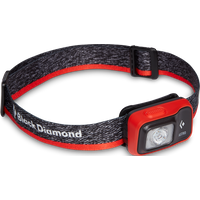
Black Diamond Astro 300
Runs on ordinary AAA batteries · ca 209 kr

GP Powerbank Plus 5000
Cheapest backup · ca 159 kr
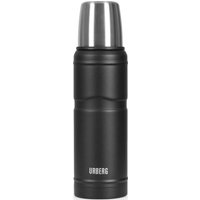
Urberg Thermo Bottle 1,2 L
Hot water without power · ca 162 kr
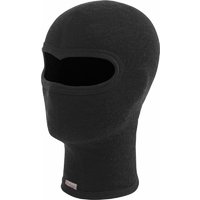
Woolpower Balaclava 200
Warmth for head and neck · ca 450 kr
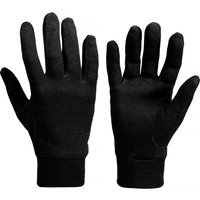
Urberg Merino-Bamboo Gloves 2.0
Thin gloves for indoors · ca 153 kr

Urberg Hiking Wool Sock G2
Low-cost wool socks · ca 127 kr
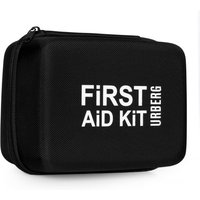
Urberg First Aid Kit Medium
Affordable basic kit · ca 149 kr
Show more products (17)

Aqiila Powerbird B5
Small backup in your jacket pocket · ca 281 kr
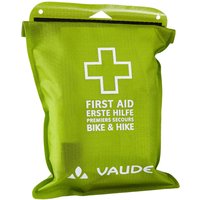
VAUDE First Aid Kit M Waterproof
Handles rain and wet · ca 351 kr

Urberg First Aid Kit WP Medium
More contents in a dry bag · ca 269 kr

Lifesystems Survival Shelter 2
Shelter from wind and rain during a stop · ca 597 kr

Emergency Food Couscous med kyckling (1 portion)
Light pouch for the bag or car · ca 129 kr
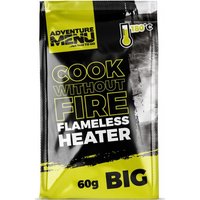
Adventure Menu Flameless Heater 5 × 60 g
Hot food without a stove or power · ca 129 kr
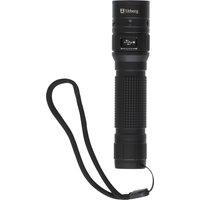
Urberg Flashlight 1000 lm
Powerful torch for home and car · ca 267 kr
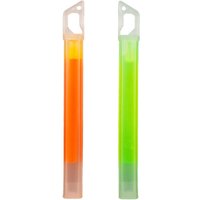
Lifesystems 15 Hour Lightsticks (2-pack)
Light and signal that always works · ca 87 kr
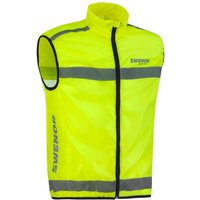
Swenor Reflexväst
Walks, exercise and the car · ca 334 kr

Ledlenser CU2R Signal Light
Be seen on walks · ca 279 kr
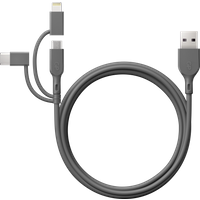
GP Essential Cable 3-in-1 1 m
One cable for several devices · ca 279 kr
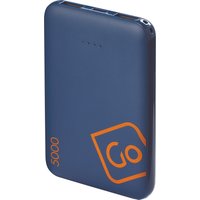
Go Travel Power Bank 5000
Small power bank for your pocket · ca 263 kr

Go Travel Classic Travel Blanket
Low-cost blanket for the car · ca 157 kr

Urberg Heat Blanket
Insulates against cold ground · ca 272 kr

Gerber E-Z Out Rescue
Cuts without stabbing · ca 695 kr
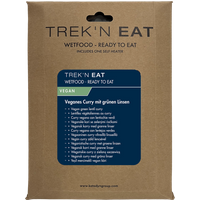
Trek'n Eat Vegan Green Lentil Curry
Hot food without gas or fire · ca 140 kr
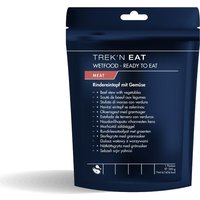
Trek'n Eat Beef Stew With Vegetables (mjukkonserv)
Ready food without cooking · ca 160 kr
Prices are approximate and may change. Always check with the retailer.
Prices at Outnorth were checked on 24 November 2026.
Sources
Read also: Build your emergency kit step by step · Crank radios – how to choose the right one for emergencies · The emergency kit checklist
Related guides
Evacuation bag – packing list if you have to leave home
Your emergency kit helps you cope at home. But if you have to leave home quickly, you need a bag you can carry. Here is a packing list based on the Swedish authorities' advice – with example bags and gear and their prices.
Read guideEmergency kit & preparednessReady-made emergency kits – what is included and what do they cost?
A ready-made emergency kit is a quick way to get started with home preparedness. But kits vary considerably in price and contents – and none of the kits we have compared includes food. Here you can see what you get for your money, and when it pays to build your own.
Read guideEmergency kit & preparednessFood for your emergency kit – what do you need for a week?
During a longer power cut or another crisis, every household is responsible for its own food and water. The goal is to manage at home for at least a week. Choose food that keeps at room temperature, can be eaten cold or prepared simply – and that you actually like.
Read guide