Evacuation bag – packing list if you have to leave home
Your emergency kit helps you cope at home. But if you have to leave home quickly, you need a bag you can carry. Here is a packing list based on the Swedish authorities' advice – with example bags and gear and their prices.
By Nordic Ready Guide · Published
The packing list is based on advice from the Swedish Civil Defence and Resilience Agency and Krisinformation.se, and the product examples on Outnorth's product data. Prices checked on 15 October 2026 – always check the current price with the shop.
Packing list at a glance
| What | Why | Example | Price |
|---|---|---|---|
| Backpack 30–40 litres | Hands free, fits the essentials | Urberg Hiking Backpack 35L, Haglöfs L.I.M 35 | 1 295–1 999 kr |
| Smaller backpack | For children or a shorter evacuation | Fjällräven Kånken | 1 299 kr |
| Headlamp | Light with both hands free | Black Diamond Astro 300 | 299 kr |
| Power bank | Charge your phone without a socket | GP Powerbank M2 10000 | 399 kr |
| Water bottle | Drinking water on the way | Nalgene 1L Wide Mouth | 177 kr |
| Water purification | If clean water is not available | Katadyn Micropur Quick | 149 kr |
| Food | Energy for the first day | Real Turmat Chicken Tikka Masala, Adventure Menu Swedish Meatballs | 79–119 kr |
| First aid | Plasters and dressings | VAUDE First Aid Kit S | 259 kr |
| Emergency blanket | Protection from cold and wet | Relags Räddningsfilt | 39 kr |
| Wool socks and mittens | Warm feet and hands | Woolpower Socks 400, Woolpower Mittens 400 | 230 kr / 450 kr |
| Compass | Find your way if your phone does not work | Silva Compass Classic | 224 kr |
| Battery or crank radio | Listen to Sveriges Radio P4 | See the guide Choose a crank radio | From about 300 kr |
Backpack 30–40 litres
- Why
- Hands free, fits the essentials
- Example
- Urberg Hiking Backpack 35L, Haglöfs L.I.M 35
- Price
- 1 295–1 999 kr
Smaller backpack
- Why
- For children or a shorter evacuation
- Example
- Fjällräven Kånken
- Price
- 1 299 kr
Headlamp
- Why
- Light with both hands free
- Example
- Black Diamond Astro 300
- Price
- 299 kr
Power bank
- Why
- Charge your phone without a socket
- Example
- GP Powerbank M2 10000
- Price
- 399 kr
Water bottle
- Why
- Drinking water on the way
- Example
- Nalgene 1L Wide Mouth
- Price
- 177 kr
Water purification
- Why
- If clean water is not available
- Example
- Katadyn Micropur Quick
- Price
- 149 kr
Food
- Why
- Energy for the first day
- Example
- Real Turmat Chicken Tikka Masala, Adventure Menu Swedish Meatballs
- Price
- 79–119 kr
First aid
- Why
- Plasters and dressings
- Example
- VAUDE First Aid Kit S
- Price
- 259 kr
Emergency blanket
- Why
- Protection from cold and wet
- Example
- Relags Räddningsfilt
- Price
- 39 kr
Wool socks and mittens
- Why
- Warm feet and hands
- Example
- Woolpower Socks 400, Woolpower Mittens 400
- Price
- 230 kr / 450 kr
Compass
- Why
- Find your way if your phone does not work
- Example
- Silva Compass Classic
- Price
- 224 kr
Battery or crank radio
- Why
- Listen to Sveriges Radio P4
- Example
- See the guide Choose a crank radio
- Price
- From about 300 kr
The examples come from Outnorth's product data on 15 October 2026. The Outnorth links further down are affiliate links. You do not need to buy anything new – much of this is probably already at home.
Emergency kit or evacuation bag?
The emergency kit is for coping at home for at least a week, for example during a long power cut. It can be large and heavy. Read more in Build your emergency kit.
The evacuation bag is for when you have to leave home, perhaps at short notice. It should be easy to carry, hold the essentials and be kept where you can find it quickly. Much of it can come straight from your emergency kit, but you need to think about papers, medicines and chargers in advance.
When might you need to evacuate?
An evacuation may be needed, for example, in the event of a fire, a flood, a release of hazardous substances or, at worst, war. In accidents and fires it is usually the rescue services that decide on evacuation. The police can also make that decision.
The authorities issue a VMA (Viktigt meddelande till allmänheten – Sweden's important public announcement). Listen to Sveriges Radio P4 and follow the authorities' instructions. If the internet is working, you can also read [Krisinformation.se](https://www.krisinformation.se) and your municipality's website.
You can also choose to leave on your own. In that case you need to arrange a safe place to stay yourself.
If you have to leave home for a short time
In a smaller evacuation, such as a fire in your building, you can often return after a few hours or a day. The authorities advise you to bring:
- Identity documents.
- Medicines and aids, such as glasses, a hearing aid and a walking frame.
- Something to eat and drink.
- Warm clothes.
If the evacuation lasts longer
In a larger evacuation, such as of an entire district, you may need to be away for a long time. Then also bring:
- Bank cards, cash, your European Health Insurance Card and the means to use BankID.
- Mobile phone, charger and car charger.
- Keys, and a computer with charger if you need one.
- Prescriptions for your medicines.
- A list of important telephone numbers on paper.
- A radio powered by batteries, solar cells or a hand crank, and spare batteries. Read more in Choose a crank radio.
- Important papers, such as vehicle registration certificates, title deeds, insurance documents and a list of bank accounts.
- Toiletries.
- Map and compass.
Which bag should you choose?
A backpack is usually easier to carry over a long distance than a bag with handles, and it leaves your hands free. Many people choose a 30–40 litre backpack per adult. It holds clothes, food, water and papers without becoming too heavy.
Things to consider:
- Weight. Pack so that you can carry the bag over a longer distance. Try walking a short route with it packed.
- Water. Put papers and electronics in a waterproof bag.
- Children. Older children can carry their own smaller backpack with clothes, something to eat and a favourite item.
- Visibility. A reflector or headlamp makes you visible if you are walking in the dark.
Papers and copies
If you have to leave home quickly, there is no time to look for papers. Keep copies of important documents in a plastic sleeve or waterproof bag in the backpack: identity documents, insurance, prescriptions and a list of telephone numbers. It is also a good idea to keep digital copies somewhere safe.
Write the telephone numbers down on paper. If your phone's battery runs out, you cannot reach your contacts.
Before you leave home
- Turn off gas and electricity if the authorities tell you to.
- Lock the doors.
- Tell everyone in the household, especially children and older people.
- Help neighbours who cannot pack for themselves.
- Do not forget your pets: food, a lead or carrier and any medicines.
Where should the bag be kept?
Keep the bag near the front door or in a wardrobe where everyone in the household knows where it is. Go through it a couple of times a year: replace food and water that are getting old, charge the power bank and check the batteries. Swap the clothes as the children grow.
Checklist: evacuation bag
- A backpack you can carry.
- Identity documents, bank cards and cash.
- Medicines, prescriptions and aids.
- Phone, charger and a charged power bank.
- Headlamp and spare batteries.
- Water and food for at least a day.
- Warm clothes, wool socks and mittens.
- First aid and toiletries.
- A list of telephone numbers on paper.
- Copies of important papers in a waterproof bag.
Also go through the emergency kit checklist.
Frequently asked questions
What is the difference between an emergency kit and an evacuation bag? The emergency kit is for coping at home. The evacuation bag is for being able to leave home quickly and must be easy to carry.
How big should the evacuation bag be? The important thing is that you can carry it. Many people choose a 30–40 litre backpack per adult and a smaller bag for children.
What food should I pack? Food that keeps well and does not need refrigerating. Freeze-dried food needs water, so also pack things that can be eaten straight away, such as nuts, crackers and dried fruit. Read more in Food for your emergency kit.
Products in this guide
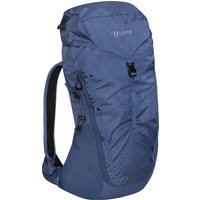
Urberg Hiking Backpack 35L
Good-value pack for a grab bag · ca 971 kr
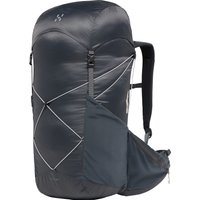
Haglöfs L.I.M 35
Light and ventilated · ca 1,399 kr
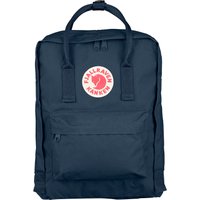
Fjällräven Kånken
Classic for everyday and trips · ca 1,299 kr

Db Essential Backpack 24L
Affordable grab bag · ca 1,299 kr

Db Hugger Backpack 30L
Roomy grab bag · ca 2,299 kr
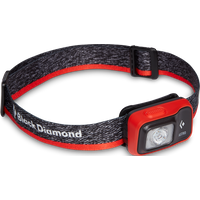
Black Diamond Astro 300
Runs on ordinary AAA batteries · ca 209 kr
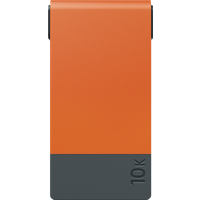
GP Powerbank M2 10000
Good size for the emergency kit · ca 200 kr
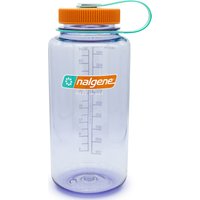
Nalgene 1L Wide Mouth Sustain
Durable water bottle · ca 177 kr
Show more products (33)
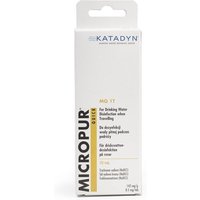
Katadyn Micropur Quick MQ 1T
Low-cost backup, 4-year shelf life · ca 149 kr

Real Turmat Chicken Tikka Masala
Long shelf life · ca 101 kr

Adventure Menu Swedish Meatballs 250 g
Suits children according to the shop · ca 79 kr
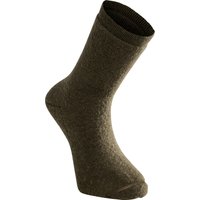
Woolpower Socks 400
Warm feet on cold floors · ca 230 kr
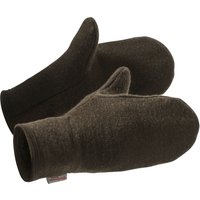
Woolpower Mittens 400
Warm hands · ca 450 kr

Silva Compass Classic
Navigate without a phone · ca 187 kr

Morakniv Kansbol med Survival Kit
Knife, fire steel and cord in one kit · ca 621 kr

MSR Dromedary Bag 4 L
Tough water bag that packs small when empty · ca 629 kr

Lifesystems First Aid Adventurer
Covers most common injuries · ca 369 kr

Urberg First Aid Kit WP Small
First aid and emergency items in one · ca 239 kr

Lifesystems Survival Shelter 2
Shelter from wind and rain during a stop · ca 597 kr

Emergency Food Couscous med kyckling (1 portion)
Light pouch for the bag or car · ca 129 kr
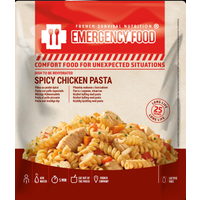
Emergency Food Kryddig kycklingpasta (1 portion)
Filling meal for one · ca 129 kr
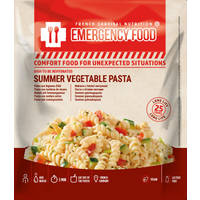
Emergency Food Pasta med sommargrönsaker (1 portion)
Emergency meal that keeps for a long time · ca 129 kr
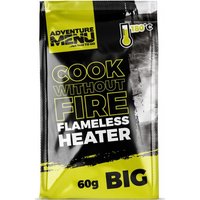
Adventure Menu Flameless Heater 5 × 60 g
Hot food without a stove or power · ca 129 kr
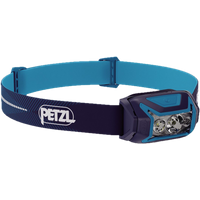
Petzl Actik Core
Rechargeable but also runs on AAA · ca 789 kr
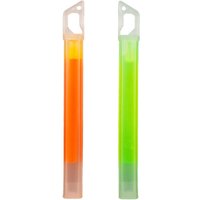
Lifesystems 15 Hour Lightsticks (2-pack)
Light and signal that always works · ca 87 kr
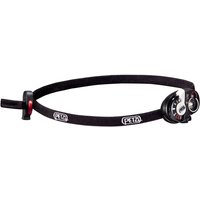
Petzl e+LITE
Spare light in your bag · ca 285 kr
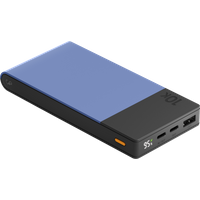
GP Powerbank M2+ 10000
Fast phone charging · ca 399 kr
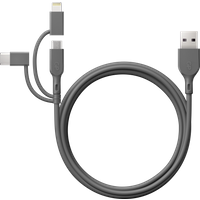
GP Essential Cable 3-in-1 1 m
One cable for several devices · ca 279 kr

Lifesystems Thermal Bag
Small emergency bag for the backpack · ca 199 kr
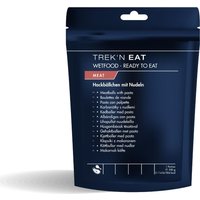
Trek'n Eat Meat Balls With Pasta (mjukkonserv)
Food without a stove · ca 160 kr
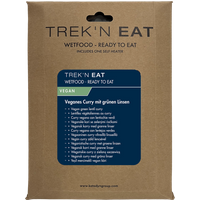
Trek'n Eat Vegan Green Lentil Curry
Hot food without gas or fire · ca 140 kr
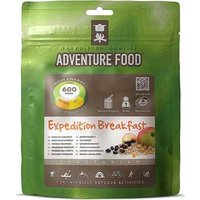
Adventure Food Expedition Breakfast
Filling breakfast · ca 79 kr

Db Roamer Duffel Backpack 25L
Easy to pack and reach everything · ca 1,399 kr

Db Hugger Backpack 25L
Grab bag that also works every day · ca 2,199 kr

Db Essential Rolltop Backpack 32L
When your kit has to stay dry · ca 2,999 kr

Db Roamer Duffel 40L
Packing for the car or a weekend trip · ca 1,599 kr

Db Roamer Duffel 60L
Packing for the whole family · ca 1,799 kr

Db Essential Drybag 5L
Documents, phone and power bank · ca 210 kr

Db Dry Bag 3-Piece Set
Keeping the backpack organised · ca 899 kr

Db Packing Cube 3-Piece Set
Keeping the grab bag organised · ca 599 kr

Db Hugger Washbag
Toiletries in the grab bag · ca 599 kr
Prices are approximate and may change. Always check with the retailer.
Prices at Outnorth were checked on 24 November 2026.
Prices at Db were checked on 24 November 2026.
Sources
- Myndigheten för civilt försvar – Om du behöver evakuera (på engelska)
- Krisinformation.se – Evakuering (på engelska)
- Outnorth – produktdata via Awin (31 oktober 2026)
Read also: Build your emergency kit step by step · Power banks for your emergency kit – Jula, Biltema, Clas Ohlson and Outnorth · Crank radios – how to choose the right one for emergencies
Related guides
Ready-made emergency kits – what is included and what do they cost?
A ready-made emergency kit is a quick way to get started with home preparedness. But kits vary considerably in price and contents – and none of the kits we have compared includes food. Here you can see what you get for your money, and when it pays to build your own.
Read guideEmergency kit & preparednessFood for your emergency kit – what do you need for a week?
During a longer power cut or another crisis, every household is responsible for its own food and water. The goal is to manage at home for at least a week. Choose food that keeps at room temperature, can be eaten cold or prepared simply – and that you actually like.
Read guideEmergency kit & preparednessEmergency kit for the car – what should you keep in the car in winter?
A small emergency kit in the car makes a big difference if you are left stranded in the cold, get stuck in the snow or the road is closed. It does not have to be much – but the right things in the right place.
Read guide