The layering principle – how to dress for the outdoors and the cold
Base layer, mid-layer and shell: how the layering principle works, why cotton makes you cold and how the same clothes help in a power cut. With examples from Woolpower, Urberg, Arc'teryx, Fjällräven and Black Diamond.
By Nordic Ready Guide · Published
The examples are based on the shop's product text and prices from Outnorth.
Example garments for each layer
| Layer | Model | Type | Material according to the shop | Price |
|---|---|---|---|---|
| Base layer | Woolpower Crewneck LITE | Base layer top | 80% merino wool, 20% polyamide | 570 kr |
| Base layer | Urberg Base Layer Set | Base layer top + bottoms | 92% polyester, 8% elastane | 449 kr |
| Mid-layer | Woolpower Full Zip Jacket 600 | Wool terry, unisex | 69% wool, 29% polyamide, 2% elastane | 2 500 kr |
| Mid-layer | Arc'teryx Atom Hoody | Synthetic insulated jacket | Nylon, Coreloft insulation | 3 169 kr |
| Mid-layer | Fjällräven Expedition Pack Down Hoodie | Light down jacket | Polyamide, down | 4 499 kr |
| Shell | Black Diamond Fineline Stretch Shell | Shell jacket with membrane | Nylon, BD.dry membrane | 1 295 kr |
| Shell | Urberg 2L Rain Set | Rain set | Polyester, taped seams | 995 kr |
Base layer
- Model
- Woolpower Crewneck LITE
- Type
- Base layer top
- Material according to the shop
- 80% merino wool, 20% polyamide
- Price
- 570 kr
Base layer
- Model
- Urberg Base Layer Set
- Type
- Base layer top + bottoms
- Material according to the shop
- 92% polyester, 8% elastane
- Price
- 449 kr
Mid-layer
- Model
- Woolpower Full Zip Jacket 600
- Type
- Wool terry, unisex
- Material according to the shop
- 69% wool, 29% polyamide, 2% elastane
- Price
- 2 500 kr
Mid-layer
- Model
- Arc'teryx Atom Hoody
- Type
- Synthetic insulated jacket
- Material according to the shop
- Nylon, Coreloft insulation
- Price
- 3 169 kr
Mid-layer
- Model
- Fjällräven Expedition Pack Down Hoodie
- Type
- Light down jacket
- Material according to the shop
- Polyamide, down
- Price
- 4 499 kr
Shell
- Model
- Black Diamond Fineline Stretch Shell
- Type
- Shell jacket with membrane
- Material according to the shop
- Nylon, BD.dry membrane
- Price
- 1 295 kr
Shell
- Model
- Urberg 2L Rain Set
- Type
- Rain set
- Material according to the shop
- Polyester, taped seams
- Price
- 995 kr
Prices according to Outnorth, checked on 26 October 2026 (products compared earlier: 15 October). The Outnorth links further down are affiliate links. The details come from the shop's product text.
Three layers – three jobs
- Base layer sits next to the skin and moves moisture away so you stay dry. Choose wool or synthetic. Read more in Wool or synthetic base layers.
- Mid-layer insulates by trapping warm air. It can be a fleece, a wool terry jumper, a down jacket or a synthetic jacket.
- Shell layer protects against rain and wind. A shell jacket with a membrane keeps water out but lets some of the body's moisture escape.
The point is that you can add and remove layers to suit the weather and how hard you are moving, instead of wearing one thick jacket.
Avoid cotton next to your skin
Cotton soaks up sweat and rain and dries slowly. Wet cotton insulates poorly and makes you cold quickly, especially when you stop for a break. Cotton jeans and T-shirts are fine in town, but on a cold-weather trip wool or synthetic is a safer choice.
How to use the layers during the day
- Start slightly cold. You will warm up after a few minutes of walking. Take off the mid-layer before you start to sweat.
- Open up before taking off. Zips and underarm vents release heat quickly.
- Put on warmth as soon as you stop. Keep a warm jacket at the top of your backpack and put it on before you get cold.
- The shell goes on when it rains or blows – and ideally over the warm jacket during breaks.
- Change into something dry if your base layer gets soaked, for example before the night.
Head, hands and feet
A hat, mittens and wool socks make a big difference to how warm you feel. Pack a spare pair of socks and a pair of thin gloves as a backup. A balaclava protects your face and neck when it is cold and windy.
The same principle in a power cut
The layering principle works just as well at home. If the power goes out in winter and it gets cold indoors, base layers, a warm mid-layer and a hat keep you warmest – plus a down or synthetic jacket when you are sitting still. Read more in Keeping warm without power and Down or synthetic jacket.
Frequently asked questions
Do I need all three layers every time? No. On a warm, dry day a base layer and a thin mid-layer are often enough. Still keep the shell in your backpack if the weather might change.
Is wool or fleece better as a mid-layer? Both work. Wool stays warm even when damp but is heavier. Fleece is light and dries quickly but lets the wind through.
Products in this guide
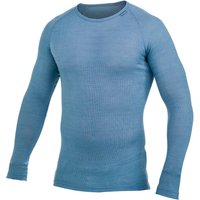
Woolpower Crewneck LITE (unisex)
Thin wool layer under your clothes · ca 523 kr

Urberg Base Layer Set (herr)
Cheapest full set · ca 292 kr
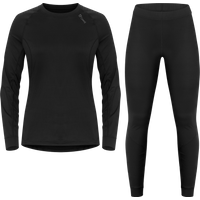
Urberg Base Layer Set (dam)
Cheapest full set · ca 269 kr
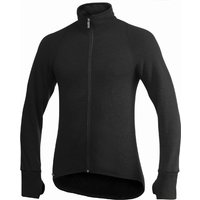
Woolpower Full Zip Jacket 600 (unisex)
Warm mid-layer that insulates even when damp · ca 2,500 kr
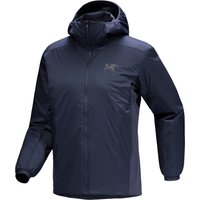
Arc'teryx Atom Hoody (herr)
Insulated jacket that handles damp and movement · ca 3,169 kr

Fjällräven Expedition Pack Down Hoodie (herr)
Warm jacket for breaks and cold days · ca 4,499 kr
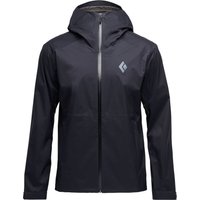
Black Diamond Fineline Stretch Shell (herr)
Light shell jacket for trips and everyday use · ca 1,295 kr

Urberg 2L Rain Set (herr)
Affordable full-body rain set · ca 697 kr
Show more products (6)
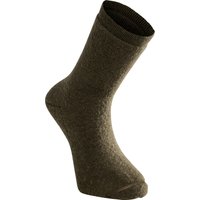
Woolpower Socks 400
Warm feet on cold floors · ca 230 kr
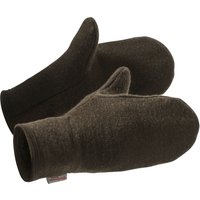
Woolpower Mittens 400
Warm hands · ca 450 kr
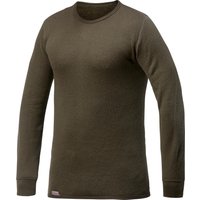
Woolpower Crewneck 200
Warmer base layer for winter · ca 1,000 kr
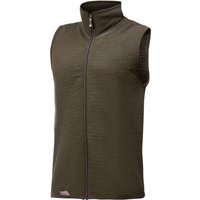
Woolpower Vest 400
Warm vest indoors during power cuts · ca 1,600 kr
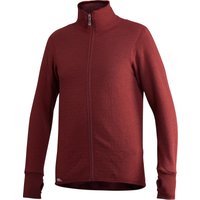
Woolpower Full Zip Jacket 400
Warm wool mid layer · ca 2,000 kr

Woolpower Zip Turtleneck 200
Next to the skin in the cold · ca 1,300 kr
Prices are approximate and may change. Always check with the retailer.
Prices at Outnorth were checked on 24 November 2026.
Sources
- Outnorth – produktdata och produkttext (26 oktober 2026)
- Svenskt Friluftsliv
- Krisinformation.se
Read also: Hypothermia and frostbite – signs, first aid and prevention · Wool or synthetic base layers – keep warm in a power cut · Rain gear – shell jacket or rain set? · Down or synthetic jacket – which keeps you warm?
Related guides
Christmas gifts for the outdoors and preparedness – 16 ideas in four price ranges
Gift ideas that are fun to receive and useful to have – on trips, in the cabin and when the power goes out. 16 gifts from Morakniv, Victorinox, BioLite, Woolpower and more, sorted by price.
Read guideOutdoor & campingDay hike in the forest – a packing list for a safe trip
What should you bring on a day hike? A packing list with backpack, extra warmth, rain protection, sit pad, tarp and first aid – plus advice on Sweden's right of public access, fires and telling someone where you are going.
Read guideOutdoor & campingDown or synthetic jacket – which keeps you warm?
Down, synthetic or wool? How the insulation differs in cold and damp conditions, when to choose which – and why a warm jacket also belongs in your power cut preparations.
Read guide