Keeping warm without power – how to stay warm during a power cut
If the power goes out on a cold winter day, it quickly becomes cold indoors, especially in homes with electric heating or district heating that needs electricity. With a few simple preparations, you can stay warm for much longer – and avoid the most common risks.
By Nordic Ready Guide · Published · Updated
Why does it get cold so quickly?
Most homes in Sweden are heated by electricity, a heat pump or district heating – and all need power to work. When the power goes out, the heat supply stops and the house starts to cool down. How quickly this happens depends on how well insulated the house is and how cold it is outside. It does not have to be particularly cold for someone to become dangerously chilled, so it is worth taking steps to stay warm straight away.
Gather in one room
It is better to heat one room properly than the whole home a little.
- Choose a small room, ideally in the middle of the house and with few windows.
- Close the doors to the rest of the home.
- Hang blankets or duvets over the windows and put rugs or blankets on the floor.
- Block gaps under doors with a towel or blanket.
- Sleep together in the same room – body heat is an important source of warmth.
- Consider building a blanket "den" under a table, especially if you have children.
Dress appropriately
- Dress in several layers, preferably with wool or synthetic fabric next to your skin.
- Wear a hat, gloves and warm socks even indoors.
- Sit and sleep on a sleeping mat so that the floor does not draw heat from your body.
- A good sleeping bag is one of the best ways to stay warm at night.
- Heat pads can provide extra warmth for a couple of hours.
Heat sources – use them safely
If you have a fireplace or wood-burning stove, it is a great asset. Keep dry firewood at home, and check that the chimney works and that the damper is open when you light a fire.
LPG heaters and other fuel-burning heaters may only be used indoors if they are designed for indoor use, and then with good ventilation. Always follow the manufacturer's instructions.
Never use a barbecue, camping stove or LPG cooking stove as a heat source indoors. They produce carbon monoxide, a poisonous gas that cannot be seen or smelt. According to Läkemedelsverket (the Swedish Medical Products Agency), 105 cases of carbon monoxide poisoning required hospital treatment in Sweden in 2022 – the highest number ever – often when people tried to heat their homes in other ways.
- Have a carbon monoxide alarm in the room where you light a fire or burn fuel.
- Check the alarm regularly and replace the batteries in good time.
- Never leave fires or candles burning while you sleep.
- Have smoke alarms, and ideally a fire extinguisher or fire blanket close at hand.
Signs of carbon monoxide poisoning
Headache, nausea, dizziness, tiredness and palpitations can be signs of carbon monoxide poisoning. Go outside into fresh air immediately. Call 112 if there is a danger to life or health. Giftinformationscentralen (the Swedish Poisons Information Centre) answers non-urgent questions around the clock on 010-456 67 00.
Food and water when it is cold
- Eat the food in the fridge first, while it is still cold.
- The freezer stays cold for a while if you do not open it.
- Hot drinks and food provide both energy and warmth. Cook on a camping stove or LPG cooking stove – but only outdoors or in accordance with the manufacturer's ventilation instructions.
- Read more in our list of food for your emergency kit and in the guide When the power goes out.
Prepare now
- Keep blankets, sleeping bags and warm clothes where you can easily find them.
- Get sleeping mats for everyone in the household.
- Buy a carbon monoxide alarm if you have a fireplace, wood-burning stove or LPG heater.
- Keep matches, firewood or fuel at home – and store fuel safely.
- Work through our emergency kit checklist.
Frequently asked questions
How long does a house stay warm without power? It depends on how well insulated the house is and how cold it is outside. A modern, well-insulated house cools more slowly than an older house. Start taking steps to stay warm as soon as the power goes out.
Can you use an LPG heater indoors? Only if the heater is designed for indoor use, with good ventilation and in accordance with the manufacturer's instructions. Have a carbon monoxide alarm in the room.
Can you keep warm with a camping stove or barbecue indoors? No. They produce carbon monoxide and must never be used as heat sources indoors.
What is most important to have at home to stay warm? Blankets or sleeping bags, warm clothing in layers, a hat and gloves, sleeping mats and – if you have a fireplace – dry firewood.
How do you keep the house warm during a power cut? Gather the household in one small room, close the doors and seal windows and gaps with blankets. Dress in several layers, sleep in a sleeping bag on a sleeping mat and have something warm to drink. Only use heat sources intended for indoor use.
What should you avoid when it gets cold indoors? Never use a barbecue, camping stove, gas stove or generator indoors – they can produce carbon monoxide. Do not leave candles burning unattended and put out all flames before you go to sleep.
Products in this guide
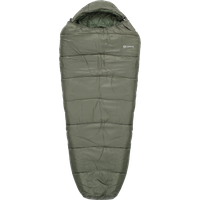
Urberg 3-Season Sleeping Bag G6
Good-value 3-season bag · ca 746 kr

Haglöfs Moonlite -1
Comfortable in a cabin · ca 1,031 kr
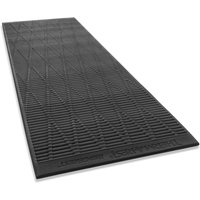
Therm-a-Rest RidgeRest Classic Regular
Insulates against a cold floor · ca 395 kr

Urberg Extreme Mat
Low-cost extra layer · ca 119 kr

Lifesystems Reusable Hand Warmers (2-pack)
Low-cost heat without power · ca 101 kr
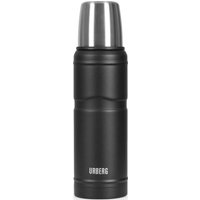
Urberg Thermo Bottle 1,2 L
Hot water without power · ca 162 kr
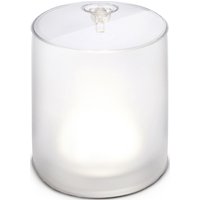
BioLite Luci Emergency
Built for power cuts, IP67, five light modes · ca 288 kr
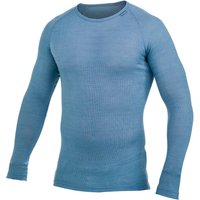
Woolpower Crewneck LITE (unisex)
Thin wool layer under your clothes · ca 523 kr
Show more products (27)
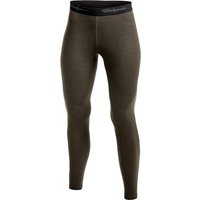
Woolpower Long Johns LITE (dam)
Warm legs indoors and out · ca 950 kr
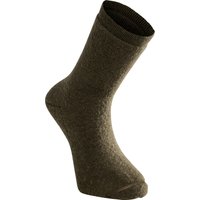
Woolpower Socks 400
Warm feet on cold floors · ca 230 kr
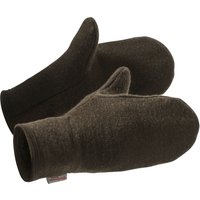
Woolpower Mittens 400
Warm hands · ca 450 kr

Arctic Tern 2 Person Camping Sleeping Bag
Share warmth with someone · ca 437 kr
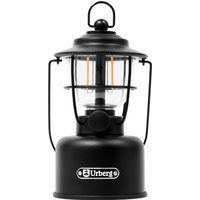
Urberg Lantern Classic 300 lm
Long run time and dimmable light · ca 517 kr

Black Diamond Orbiter 450
Bright light for a whole room · ca 449 kr
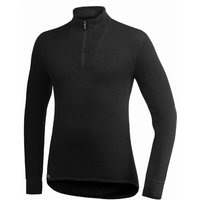
Woolpower Zip Turtleneck 400
Lots of warmth as a second layer · ca 1,800 kr
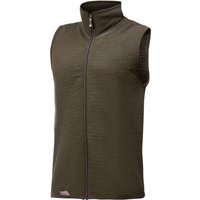
Woolpower Vest 400
Warm vest indoors during power cuts · ca 1,600 kr
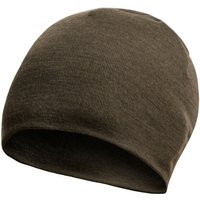
Woolpower Beanie Lite
Thin wool beanie for everyday and trips · ca 500 kr

Woolpower Tube Lite
Warms neck and head · ca 400 kr
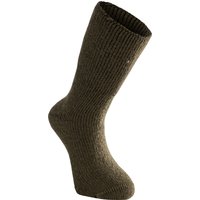
Woolpower Socks 600
The warmest socks in the range · ca 290 kr

Woolpower Socks Knee-high 600
Warm legs up to the knee · ca 360 kr

Devold Nansen Wool Mitten
Classic wool mittens · ca 499 kr
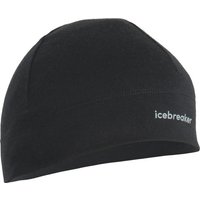
Icebreaker 200 Oasis Beanie
Soft merino wool beanie · ca 247 kr
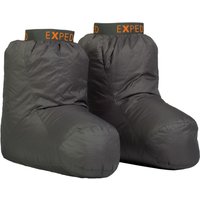
Exped Down Sock
Warm feet when sleeping or resting · ca 629 kr
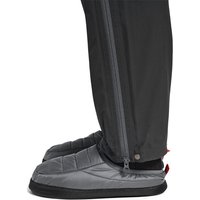
Helsport Pro Camp Slippers
Slippers for the cabin and camp · ca 640 kr
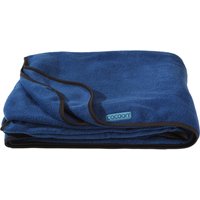
Cocoon Fleece Blanket
Soft blanket for the sofa and tent · ca 599 kr
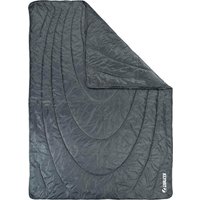
Klymit Horizon Travel Blanket
Warm blanket to take along · ca 824 kr
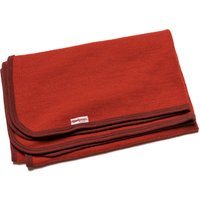
Woolpower Kid's Blanket 400
Wool blanket for the sledge and sofa · ca 700 kr

Woolpower Wrist Gaiter 200
Warm wrists while writing or cooking · ca 360 kr

Pajak Quest Blanket Light
Light down blanket for the sofa and trips · ca 2,065 kr
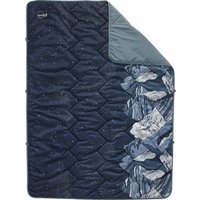
Therm-a-Rest Stellar Blanket
A quilt that handles damp · ca 1,350 kr

Go Travel Classic Travel Blanket
Low-cost blanket for the car · ca 157 kr

Urberg Heat Blanket
Insulates against cold ground · ca 272 kr
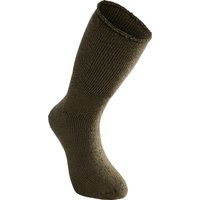
Woolpower Socks 800
Warm feet in a cold house · ca 370 kr
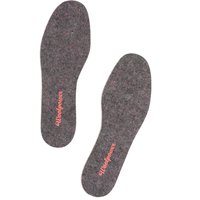
Woolpower Felt Insoles
Insulates against cold floors and shoes · ca 130 kr

Woolpower Cap 400
Warm hat for cold days · ca 600 kr
Prices are approximate and may change. Always check with the retailer.
Prices at Outnorth were checked on 24 November 2026.
Sources
Read also: Hypothermia and frostbite – signs, first aid and prevention · When the power goes out: a practical plan · Build your emergency kit step by step · The emergency kit checklist
Related guides
Tealight heaters – do they work in a power cut?
A flowerpot tealight heater is often shared as a cheap way to heat your home when the power goes out. Here we look at how much heat it really gives, why it can become a fire risk and what keeps you warmer.
Read guideWarmthVacuum flasks for your emergency kit – hot water and food without power
A vacuum flask makes hot water and food last longer when the power goes out. Here we compare flasks and food jars from Thermos, Stanley, Primus and Urberg – volume, heat retention according to the shop, and price.
Read guideWarmthWool or synthetic base layers – keep warm in a power cut
The right layer next to your skin makes a big difference in the cold – on a trip and at home if the heating fails. Here we compare base layers, wool socks and mittens from Woolpower and Urberg with prices.
Read guide