Hypothermia and frostbite – signs, first aid and prevention
How to recognise frostbite and hypothermia, what to do straight away and when to seek care or call 112 – plus how to dress to avoid cold injuries this winter.
By Nordic Ready Guide · Published
General information – not medical advice. This guide is based on advice on cold injuries from 1177 (Sweden's national health service guide), Krisinformation and the Swedish Ice Safety Council's information on hypothermia. In case of severe hypothermia or if someone is unconscious – call 112.
Frostbite or hypothermia?
| Condition | Common signs | What to do |
|---|---|---|
| Superficial frostbite | The skin turns white and cold and loses feeling. It may sting or burn as it thaws. | Warm slowly, skin to skin, until colour and feeling return. |
| Deep frostbite | Hard, yellowish-white skin, dark blood-filled blisters and difficulty moving the body part. | Seek care straight away. Only warm it if the body part can be kept warm until you get care. |
| Mild hypothermia | Strong shivering, reduced feeling in hands and feet, slurred speech and poor judgement. | Get into warmth and shelter, change into dry clothes and give a warm, sweet drink. Contact 1177 or call 112 if needed. |
| Severe hypothermia | Shivering decreases, the muscles stiffen and the person becomes less responsive or unconscious. | Call 112. Move the person very gently, lying down, insulate them from the ground and cover them. |
Superficial frostbite
- Common signs
- The skin turns white and cold and loses feeling. It may sting or burn as it thaws.
- What to do
- Warm slowly, skin to skin, until colour and feeling return.
Deep frostbite
- Common signs
- Hard, yellowish-white skin, dark blood-filled blisters and difficulty moving the body part.
- What to do
- Seek care straight away. Only warm it if the body part can be kept warm until you get care.
Mild hypothermia
- Common signs
- Strong shivering, reduced feeling in hands and feet, slurred speech and poor judgement.
- What to do
- Get into warmth and shelter, change into dry clothes and give a warm, sweet drink. Contact 1177 or call 112 if needed.
Severe hypothermia
- Common signs
- Shivering decreases, the muscles stiffen and the person becomes less responsive or unconscious.
- What to do
- Call 112. Move the person very gently, lying down, insulate them from the ground and cover them.
- Frostbite (cold injury): A body part gets so cold that blood no longer circulates through it. It is most common on the hands, feet, ears, nose and cheeks. Most cold injuries are superficial and heal on their own.
- Hypothermia: The whole body's temperature drops below 35 degrees. It can happen outdoors in the cold and in water, which carries heat away about 25 times faster than air.
Wind and moisture make you cool down faster. According to 1177, the risk of cold injuries is greater for younger and older people, who have thinner skin and less muscle mass.
First aid for frostbite
Frostbite can be hard to notice because you lose feeling. Look for white patches on cheeks, nose and ears, and move your fingers and toes to check.
Do this:
- Get indoors or into shelter from the wind as quickly as possible.
- Change into dry clothes and drink something warm.
- Remove rings if the hands are affected, before they swell.
- Warm slowly, skin to skin. Warm a cheek with a warm hand and fingers in your armpits. Someone else can warm frostbitten toes against their stomach or in an armpit.
- Keep going until normal colour and feeling return, even if it hurts.
Avoid:
- Speeding things up with hot water or a heated object. It can damage the skin.
- Massaging the injured area.
- Walking on frostbitten feet.
- Thawing deep frostbite if it may get cold again. The injury can get worse.
- Alcohol, smoking and snus, which weaken the body's ability to resist cold and heal.
When should you seek care?
- Straight away: Contact a health centre or an out-of-hours clinic for frostbite with blisters or deep frostbite. If it is closed, go to an emergency department.
- Within two weeks: Contact a health centre if the cold injury has not healed.
- Call 112 for severe hypothermia, if the person becomes less responsive or is unconscious.
- Call 1177 for healthcare advice if you need help assessing the symptoms.
First aid for hypothermia
Mild hypothermia (the person is shivering hard but awake):
- Get the person into warmth and shelter.
- Change into dry clothes.
- Give a warm, sweet drink.
- Contact 1177 or call 112 if needed.
Severe hypothermia (shivering decreases, stiff muscles, reduced consciousness):
- Call 112.
- Move the person very gently, lying down.
- If the person is unconscious but breathing, place them in the recovery position on an insulating surface and cover them with blankets, clothes or a sleeping bag.
- A hypothermic person who seems lifeless may still be alive. Check breathing carefully, for up to a minute, and start CPR if they are not breathing normally.
An emergency blanket or a survival bag in the car or backpack weighs little and can give extra protection against wind and wet while you wait for help.
How to prevent cold injuries
- Dress in layers: Several thinner, loose-fitting layers are better than one thick one. Avoid cotton next to the skin. Read more in Layering and Wool or synthetic base layers.
- Windproof outer layer: Wind and moisture cool you down faster.
- Hat, mittens and spare socks: Bring dry spare socks and mittens in case you get wet.
- Metal against the skin: Glasses, watches and jewellery made of metal can cause superficial frostbite in the cold.
- Wash your face the evening before: This gives the skin's natural oils time to build up again. According to 1177, no creams protect against the cold.
- Take extra care with a body part that has had frostbite. It is more easily injured again until it has healed.
Going on a hike? See Day hike – packing list.
Cold indoors during a power cut
A long power cut in winter can make it cold indoors too. Dress in layers inside as well, with a hat, wool socks and mittens, and keep blankets and sleeping bags at hand.
- How to keep your home warm: Keeping warm without power.
- Tealight heaters give little heat and can be a fire risk: Tealight heaters – do they work?
Winter bathing and icy water
Cold water cools the body quickly, and the first cold shock can cause gasping. The Swedish Ice Safety Council advises you to:
- Not bathe alone.
- Avoid alcohol when bathing.
- Not bathe if you are not fully healthy.
- Enter slowly instead of quickly dipping your whole body.
Frequently asked questions
What is the difference between hypothermia and frostbite? With frostbite a body part freezes, for example fingers or cheeks. With hypothermia the whole body's temperature drops below 35 degrees.
How do you warm frostbitten fingers? Skin to skin, for example in the armpits, until colour and feeling return. Do not use hot water or anything heated to speed it up.
Should you rub frostbite? No. 1177 advises not to massage the injured area. Warm it slowly, skin to skin, instead.
When should you call 112? For severe hypothermia: when shivering decreases, the muscles stiffen or the person becomes less responsive or unconscious.
When should you seek care for frostbite? Straight away for blisters or deep frostbite. Contact a health centre if the injury has not healed after two weeks.
Who is most at risk? According to 1177, the risk of cold injuries is greater for younger and older people, who have thinner skin and less muscle mass.
Products in this guide
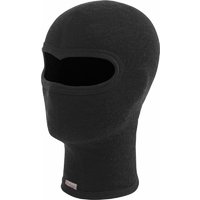
Woolpower Balaclava 200
Warmth for head and neck · ca 450 kr
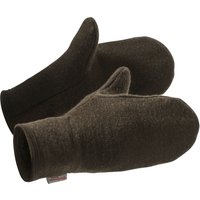
Woolpower Mittens 400
Warm hands · ca 450 kr
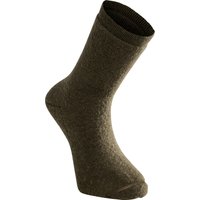
Woolpower Socks 400
Warm feet on cold floors · ca 230 kr

Lifesystems Reusable Hand Warmers (2-pack)
Low-cost heat without power · ca 101 kr
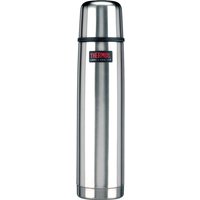
Thermos Light & Compact 1 L
Light flask for hot drinks · ca 299 kr
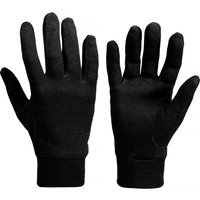
Urberg Merino-Bamboo Gloves 2.0
Thin gloves for indoors · ca 153 kr
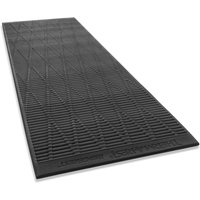
Therm-a-Rest RidgeRest Classic Regular
Insulates against a cold floor · ca 395 kr
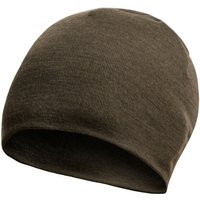
Woolpower Beanie Lite
Thin wool beanie for everyday and trips · ca 500 kr
Show more products (12)
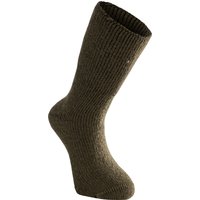
Woolpower Socks 600
The warmest socks in the range · ca 290 kr

Devold Nansen Wool Mitten
Classic wool mittens · ca 499 kr

Lifesystems Survival Shelter 2
Shelter from wind and rain during a stop · ca 597 kr
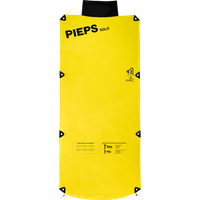
PIEPS Bivy Solo
Emergency shelter in the pack in the mountains · ca 1,100 kr
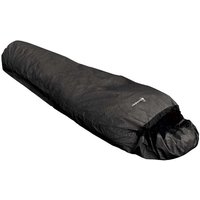
Terra Nova Survival Bivi
Light and breathable bivy bag · ca 1,436 kr

Urberg Heat Blanket
Insulates against cold ground · ca 272 kr
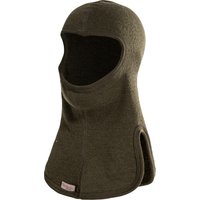
Woolpower Balaclava 400
Warms head and neck · ca 470 kr
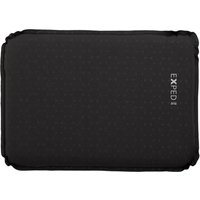
Exped Sit Pad
Protection from cold ground · ca 349 kr
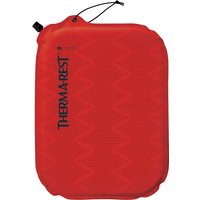
Therm-a-Rest Lite Seat
A warm seat outdoors · ca 455 kr

Lifesystems Thermal Bag
Small emergency bag for the backpack · ca 199 kr
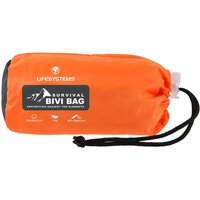
Lifesystems Heatshield Bag
Protection from cold in an emergency · ca 295 kr
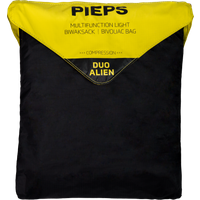
PIEPS Bivy Bag Alien Duo
Emergency shelter for two people · ca 1,399 kr
Prices are approximate and may change. Always check with the retailer.
Prices at Outnorth were checked on 24 November 2026.
Sources
- 1177 – Köldskador (uppdaterad 2 februari 2024)
- Krisinformation – Köldskada (uppdaterad 25 september 2026)
- Issäkerhetsrådet (Svenska Livräddningssällskapet) – Nedkylning
- Outnorth – produktdata via Awin (31 oktober 2026)
Read also: The layering principle – how to dress for the outdoors and the cold · Keeping warm without power – how to stay warm during a power cut · Home first aid kit – what to keep in your medicine cabinet
Related guides
Home first aid kit – what to keep in your medicine cabinet
A checklist for your home first aid kit: dressings, tools and over-the-counter medicines based on Sweden's 1177 health service, where to keep it and how much of your own medicine is good to have if something happens.
Read guideFirst aidFirst aid kits and bags – Jula, Outnorth and Cederroth compared
What's inside Jula's first aid kits with 21, 31 and 48 pieces? We compare contents and prices, show Jula's cabinets and what you can refill with – and compare with Outnorth and Cederroth.
Read guideCommunication & lightBe seen in the dark – reflectors, hi-vis vests and safety lights
With reflectors, a driver can see you at about 125 metres – without them and in dark clothes, only at 20–30 metres. How to wear reflectors properly, plus 20 products for adults, children, dogs and your tent.
Read guide