When the power goes out: a practical plan
Light, heat and charging – a plan that makes outages less dramatic.
By Nordic Ready Guide · Published · Updated
Why power cuts happen
Most power cuts are short. But storms, heavy snow and ice can bring trees down on the lines, and then repairs can take a long time. An outage in winter is felt quickly: heating, water, mobile networks and card payments can all be affected.
With a little preparation, a power cut becomes an uncomfortable evening rather than a crisis. This plan takes you through before, during and after.
Prepare calmly
Have a torch or head torch, spare batteries, a charged power bank and a radio that works without mains electricity. Find out where your fuse box is, so you can quickly check whether the fault only affects your home. Keep your grid company's fault reporting number on paper and sign up for their outage text messages if they offer them. Charge your phone when a storm warning is issued.
The first minutes: is it just you?
- Check the fuse box to see whether a fuse has blown or the residual current device has tripped.
- Check whether your neighbours are also without power.
- If others are affected: look at your grid company's outage information online or call their fault line. The number is on your electricity network bill.
- Do not call 112 to ask about the outage. During major incidents you can get information on 113 13. Only call 112 in an emergency.
- Listen to Sveriges Radio P4 for local information.
Light
Use battery-powered lights as your first choice. Candles provide both light and a little warmth, but pose a fire risk: place them securely, keep an eye on them and put them out when you leave the room or go to sleep.
Leave an ordinary light switched on so you will notice when the power comes back. Read more in Lanterns for power cuts.
Warmth
Gather the household in one room, close doors and block draughts. The more people in the same room, the warmer it becomes. Dress in layers, wear a hat and consider sleeping in a sleeping bag.
Switch off radiators and other appliances that use a lot of electricity, as grid companies advise during outages.
Air the room regularly if you have candles burning or a fire lit – fire uses oxygen and can produce carbon monoxide. Never use barbecues, camping stoves or heaters designed for outdoor use indoors.
The water can go too
Long power cuts are often followed by problems with the water supply, because pumps need electricity. If you have your own well with an electric pump, the water stops straight away. Fill bottles and saucepans as soon as you notice the outage is dragging on, and save the water for drinking and cooking. Your municipality may set up places where you can collect drinking water. Read more in Storing water at home.
Food, fridge and freezer
Keep the fridge and freezer closed for as long as possible. According to the Swedish Food Agency, food in the fridge keeps for at most about 7 hours if the temperature was 4 °C to begin with, but only 4 hours if it was 8 °C. A well-stocked freezer stays cold longer than a half-empty one.
Eat the food that will spoil soonest first, and keep food at home that can be eaten without cooking. See Food for your emergency kit.
Phone and information
The mobile network may keep working for a while after the power goes, but it can stop during long outages. Save battery and have a radio that works without mains electricity – see Choosing a crank radio.
If your own mobile network is down, an emergency call to 112 may still get through via another operator's network. If no phone works, you can go to the nearest fire station – there may be an emergency phone there.
Charging
A power bank can charge your phone a few times. A portable power station can power phones, lights, a radio and small appliances, but not heaters or a cooker for an extended period. Save battery by lowering your screen brightness and closing apps you do not need. Read more in Power banks for your emergency kit and Portable power stations.
When the power comes back
- Switch radiators and larger appliances back on one at a time.
- Check the fridge and freezer. If food has warmed up or thawed: look, smell and judge. If in doubt, throw it out.
- Recharge lights and power banks and replace what you have used.
- If the outage lasted at least 12 hours in a row, you are usually entitled to outage compensation from your grid company. It is normally paid without you having to apply. If you have not received it, you can claim it within two years.
Frequently asked questions
How long does food keep in the fridge during a power cut? According to the Swedish Food Agency, at most about 7 hours if the fridge was at 4 °C, and 4 hours if it was at 8 °C. Keep the door closed as long as possible.
Who should I call during a power cut? Your grid company's fault line – the number is on your electricity network bill. During major incidents, 113 13 gives information. Only call 112 in an emergency.
Can you get compensation for a power cut? If an unplanned outage lasts at least 12 hours in a row, you are usually entitled to outage compensation. It is normally paid automatically; otherwise you can claim it within two years.
How do I keep warm without power? Gather everyone in one room, close doors, dress in layers and use blankets and sleeping bags. Read more in Keeping warm without power.
Does my phone work during a power cut? Often for a while, but the mobile network can stop working during long outages. Have a radio that works without mains electricity and a charged power bank.
How long can a power cut last? Most are short, but after storms and heavy snowfall it can take days before everyone has power again. That is why the authorities advise being able to manage for a week – work out what you need in the emergency kit calculator.
Products in this guide
EcoFlow RIVER 3
All-round apartment backup · ca 2,317 kr
Anker SOLIX C300X DC
Charging phones and lights · ca 2,300 kr
Sandberg Survivor Radio All-in-1 5000
All-in-one, lowest price among the radios · ca 680 kr
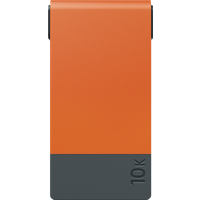
GP Powerbank M2 10000
Good size for the emergency kit · ca 200 kr
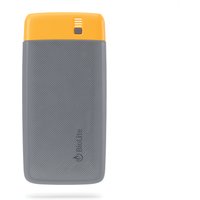
BioLite Charge 80 PD
Several days of phone charging · ca 999 kr
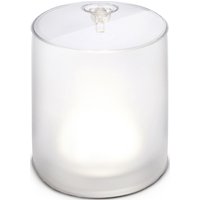
BioLite Luci Emergency
Built for power cuts, IP67, five light modes · ca 288 kr

Black Diamond Moji
Soft room light during power cuts · ca 244 kr
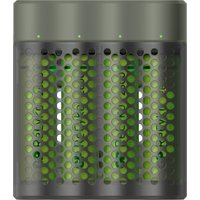
GP ReCyko Speed Charger M451 (med 4 × AA)
Charge AA/AAA from a power bank or solar panel · ca 383 kr
Show more products (11)
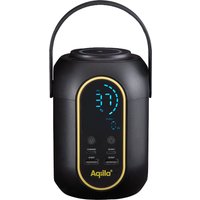
Aqiila Powerbird S140
Small power station with built-in light · ca 1,839 kr
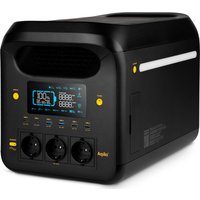
Aqiila Powerbird S1800v2
Fridge, freezer and power tools during longer outages · ca 11,199 kr
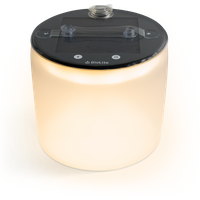
BioLite Luci Charge 360
Up to 110 h of light according to the shop · ca 800 kr
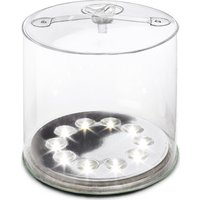
BioLite Luci Original
Waterproof, up to 24 h of light · ca 375 kr
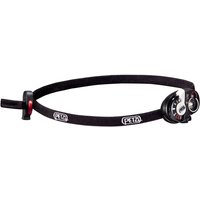
Petzl e+LITE
Spare light in your bag · ca 285 kr

Lifesystems Glow Marker
Find keys and torch in the dark · ca 87 kr
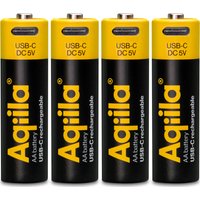
Aqiila USB-C Rechargeable AA (4-pack)
Headlamp and radio without a separate charger · ca 239 kr
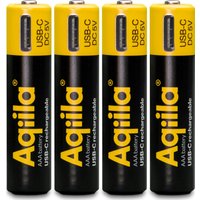
Aqiila USB-C Rechargeable AAA (4-pack)
Lights and gadgets that take AAA · ca 259 kr
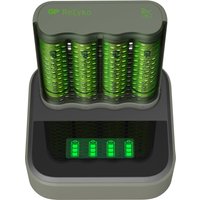
GP ReCyko Speed Charger M4D45
Charge batteries from a power bank or computer · ca 479 kr
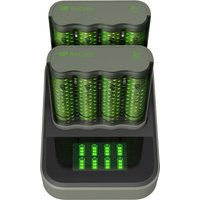
GP Speed Charger M4D85
AA batteries for the whole household · ca 450 kr
GP Essential Cable USB-C till USB-C 1 m
Spare cable for the power bank · ca 110 kr
Prices are approximate and may change. Always check with the retailer.
Prices at Outnorth were checked on 24 November 2026.
Sources
Read also: Keeping warm without power – how to stay warm during a power cut · Portable power stations in a power cut – what can they run? · Lanterns for power cuts – rechargeable, battery or solar?
Related guides
Portable power stations in a power cut – what can they run?
A portable power station can keep your phone, router and lights going when the power goes out – but not a heater or a cooker. Here we show how to work out what it can run and compare three models of different sizes.
Read guidePower & solarPower banks for your emergency kit – Jula, Biltema, Clas Ohlson and Outnorth
When the power goes out, your phone becomes your most important link to the outside world. Here we compare power banks and solar chargers from Jula and Outnorth and look at what Biltema and Clas Ohlson sell – with capacity, ports and price.
Read guideCommunication & lightBe seen in the dark – reflectors, hi-vis vests and safety lights
With reflectors, a driver can see you at about 125 metres – without them and in dark clothes, only at 20–30 metres. How to wear reflectors properly, plus 20 products for adults, children, dogs and your tent.
Read guide