Home first aid kit – what to keep in your medicine cabinet
A checklist for your home first aid kit: dressings, tools and over-the-counter medicines based on Sweden's 1177 health service, where to keep it and how much of your own medicine is good to have if something happens.
By Nordic Ready Guide · Published
General information – not medical advice. The list is based on the advice on home first aid kits from 1177, Sweden's national health service guide (updated 27 August 2026), and the Swedish Red Cross list for emergency kits. Always read the package leaflet and ask a pharmacist if you are unsure.
Checklist for your home first aid kit
| Part | What | What for |
|---|---|---|
| Wound care | Assorted plasters | Small cuts and blisters |
| Wound care | Compresses | Larger wounds |
| Wound care | Wound closure strips and surgical tape | Closing wounds and holding compresses in place |
| Wound care | Elastic bandage | For example for sprains |
| Tools | Scissors | Cutting dressings or clothes |
| Tools | Tweezers or a tick remover | Splinters and ticks |
| Tools | Thermometer | Checking for fever |
| Tools | Cold pack and heat pad | Cooling or warming |
| Over the counter | Pain relief and fever reducers | Headache, period pain, back pain and fever |
| Over the counter | Hydrocortisone cream and allergy tablets | Insect bites, eczema and allergies |
| Over the counter | Oral rehydration salts | If the body has lost a lot of fluid |
| Over the counter | Remedies for diarrhoea and constipation | Stomach problems |
| Over the counter | Nasal spray or nose drops | Colds |
| Small children | Liquid pain relief or suppositories, and a nasal aspirator | Fever, pain and a blocked nose |
| Own medicines | Prescription medicines and supplies | Enough for a month if you have long-term treatment |
Wound care
- What
- Assorted plasters
- What for
- Small cuts and blisters
Wound care
- What
- Compresses
- What for
- Larger wounds
Wound care
- What
- Wound closure strips and surgical tape
- What for
- Closing wounds and holding compresses in place
Wound care
- What
- Elastic bandage
- What for
- For example for sprains
Tools
- What
- Scissors
- What for
- Cutting dressings or clothes
Tools
- What
- Tweezers or a tick remover
- What for
- Splinters and ticks
Tools
- What
- Thermometer
- What for
- Checking for fever
Tools
- What
- Cold pack and heat pad
- What for
- Cooling or warming
Over the counter
- What
- Pain relief and fever reducers
- What for
- Headache, period pain, back pain and fever
Over the counter
- What
- Hydrocortisone cream and allergy tablets
- What for
- Insect bites, eczema and allergies
Over the counter
- What
- Oral rehydration salts
- What for
- If the body has lost a lot of fluid
Over the counter
- What
- Remedies for diarrhoea and constipation
- What for
- Stomach problems
Over the counter
- What
- Nasal spray or nose drops
- What for
- Colds
Small children
- What
- Liquid pain relief or suppositories, and a nasal aspirator
- What for
- Fever, pain and a blocked nose
Own medicines
- What
- Prescription medicines and supplies
- What for
- Enough for a month if you have long-term treatment
You do not need everything on the list. Choose what suits your household, for example if you have small children, allergies or spend a lot of time outdoors.
First aid bag or medicine cabinet?
A first aid bag mainly contains dressings and tools for injuries, such as plasters, compresses, scissors and gloves. A medicine cabinet is broader and also holds over-the-counter medicines for everyday problems like fever, colds and stomach upsets.
Many households have both: a bag you can take in the car or in a go bag, and the medicines in a locked cupboard at home. A ready-made bag is an easy start that you then add to.
- Compare ready-made kits in First aid kits and bags.
- Need to be able to leave home quickly? See Go bag – packing list.
- A small kit for the car: Car emergency kit.
Where should you keep it?
- Out of children's reach, ideally in a locked cupboard or drawer.
- Not in the bathroom. Moisture can make medicines less effective, especially powders.
- Easy for adults to reach, so you can find it quickly when something happens. Tell all adults in the household where it is.
Your medicine cabinet and emergency preparedness
The Swedish Red Cross counts the medicine cabinet among the personal items in an emergency kit, for example pain relief, oral rehydration salts and your own medicines. During a long power cut or a crisis it can be hard to get to a pharmacy.
- On long-term treatment? 1177 advises keeping enough medicines and supplies at home to last a month. Talk to your doctor about how to arrange it.
- Check your prescriptions. See how long they are valid so you have time to renew them.
- Medicines that must be kept cold? Ask a pharmacist what applies if the fridge stops working.
Read more in Build your emergency kit step by step and When the power goes out.
Check it regularly
- Check expiry dates regularly, for example when you go through your emergency kit. Do not use old medicines.
- Return old medicines to a pharmacy so they are disposed of properly. Do not throw them in the bin or the toilet.
- Refill anything that has run out or been used.
- Do not let anyone else use medicines prescribed to you.
If you suspect poisoning
1177 mentions activated charcoal for the medicine cabinet, but never give it on your own initiative. Call the Swedish Poisons Information Centre on 010-456 67 19 first, or 112 in an emergency. They will tell you what to do.
Learn to use what is inside
A home first aid kit helps most if you know how to use what is in it. The Swedish Red Cross offers first aid courses, both in person and online, and a free app with first aid basics.
In case of serious injury or illness, call 112. For healthcare advice in Sweden, call 1177.
Frequently asked questions
What should a home first aid kit contain? According to 1177, it is good to have plasters, compresses, tape, an elastic bandage, scissors, tweezers or a tick remover, a thermometer and over-the-counter medicines such as pain relief, fever reducers and oral rehydration salts. See the full checklist above.
Is a dressing kit the same as a first aid kit? The words are often used for the same thing. A dressing kit mainly holds dressings for wounds. A medicine cabinet is broader and also holds over-the-counter medicines.
Should medicines go in the first aid kit? Over-the-counter and personal medicines belong in the medicine cabinet. Keep them out of children's reach, ideally locked. A bag for the car or for trips can hold dressings and tools.
What do I need if I have small children? 1177 mentions liquid pain relief or suppositories and a nasal aspirator for small children with colds. Ask a pharmacist which product suits the child's age and weight.
Do I need a tick remover? Tweezers or a tick remover are on 1177's list. Check that the ready-made kit you choose has one, or buy one separately.
Where should you keep it? Out of children's reach, ideally locked, and not in the bathroom where it is damp.
How often should I check it? 1177 advises checking expiry dates regularly. An easy way is to do it when you go through your emergency kit, and to refill straight away after using something.
Is the car first aid kit enough at home? A small car kit usually only has dressings. At home you also need, for example, a thermometer and over-the-counter medicines. See Car emergency kit.
How much of my own medicine should I keep at home? 1177 advises people on long-term treatment to keep enough for a month. Talk to your doctor about how to arrange it.
Where do I return old medicines? At a pharmacy.
Products in this guide
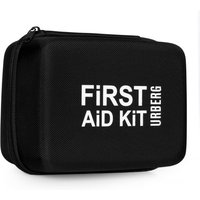
Urberg First Aid Kit Medium
Affordable basic kit · ca 149 kr
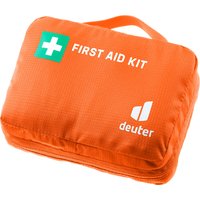
Deuter First Aid Kit
Most contents · ca 368 kr

Lifesystems First Aid Trek
Compact kit with compartments · ca 449 kr
Cederroth First Aid Kit Medium
Home and car · ca 500 kr
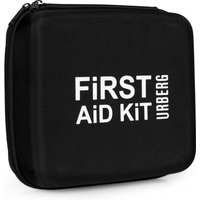
Urberg First Aid Kit Large
Large bag at a low price · ca 164 kr
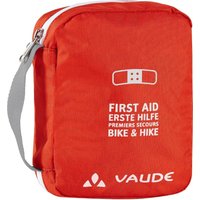
VAUDE First Aid Kit L
Room for your own medicine · ca 391 kr
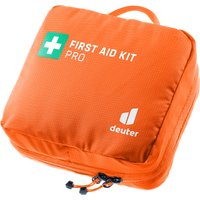
Deuter First Aid Kit Pro
Extensive contents · ca 480 kr

Lifesystems First Aid Adventurer
Covers most common injuries · ca 369 kr
Show more products (6)

Lifesystems Explorer First Aid Kit
Lots of contents in a small bag · ca 599 kr

Lifesystems Tick Remover Card
Fits in your wallet · ca 87 kr
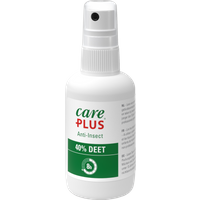
Care Plus Anti-Insect DEET 40 % 60 ml
Strong protection against mosquitoes and ticks · ca 169 kr
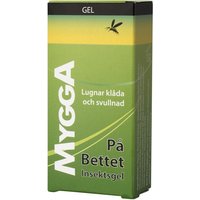
MyggA After Bite Insect Gel
Eases itching · ca 119 kr
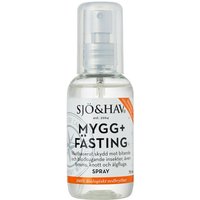
Sjö & Hav Mygg+Fästing Spray
Plant-based alternative to DEET · ca 101 kr

Exped Drybag First Aid
Low-cost bag for first aid supplies · ca 118 kr
Prices are approximate and may change. Always check with the retailer.
Prices at Outnorth were checked on 24 November 2026.
Sources
- 1177 – Husapotek (uppdaterad 27 augusti 2026)
- Röda Korset – Krislådan
- Röda Korset – Första hjälpen-kit och kurser
- Outnorth – produktdata via Awin (31 oktober 2026)
Read also: First aid kits and bags – Jula, Outnorth and Cederroth compared · Build your emergency kit step by step · Evacuation bag – packing list if you have to leave home
Related guides
Hypothermia and frostbite – signs, first aid and prevention
How to recognise frostbite and hypothermia, what to do straight away and when to seek care or call 112 – plus how to dress to avoid cold injuries this winter.
Read guideFirst aidFirst aid kits and bags – Jula, Outnorth and Cederroth compared
What's inside Jula's first aid kits with 21, 31 and 48 pieces? We compare contents and prices, show Jula's cabinets and what you can refill with – and compare with Outnorth and Cederroth.
Read guideCommunication & lightBe seen in the dark – reflectors, hi-vis vests and safety lights
With reflectors, a driver can see you at about 125 metres – without them and in dark clothes, only at 20–30 metres. How to wear reflectors properly, plus 20 products for adults, children, dogs and your tent.
Read guide